
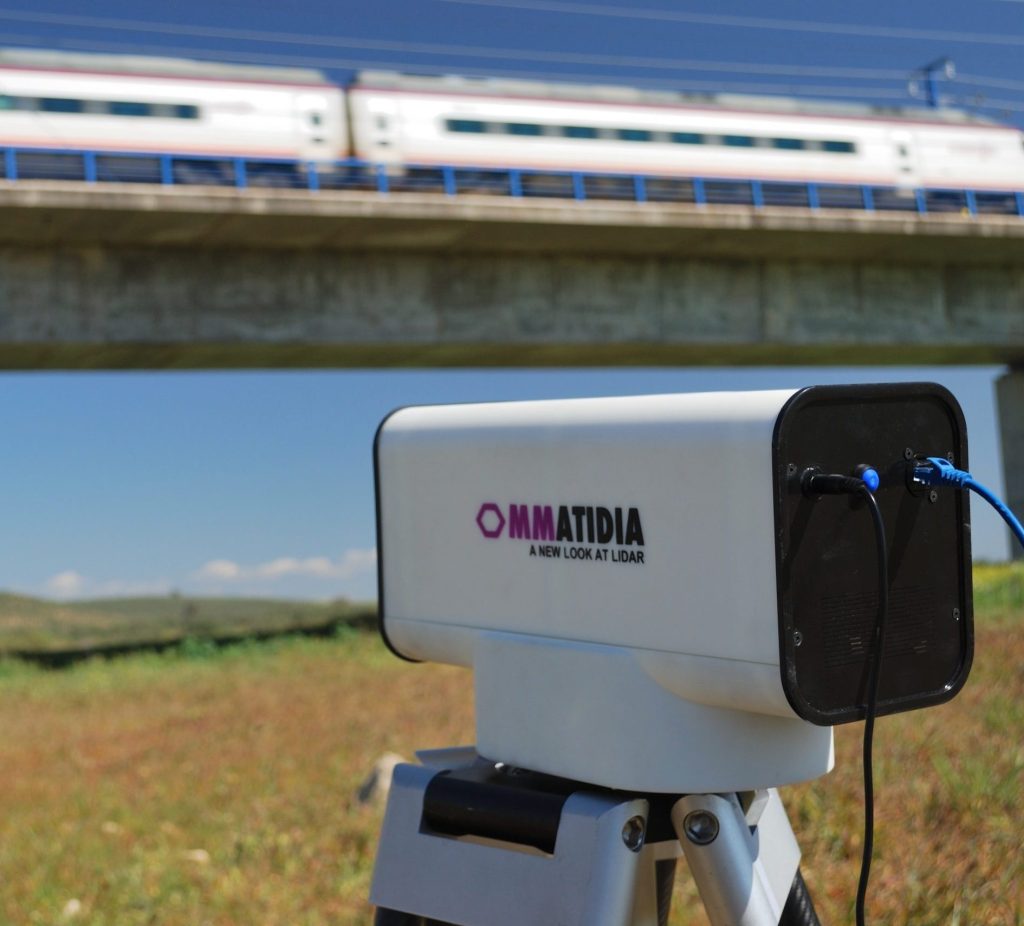
Accurate and efficient modeling is fundamental to sectors like construction, surveying, urban planning, and heritage conservation. Traditionally, creating 3D models required manual measurements, complex calculations, and a significant investment of time and labor. terrestrial laser scanning (TLS) has revolutionized this approach by automating the capture of environmental data, enabling users to generate detailed 3D models in just minutes.
This blog explores the key benefits of terrestrial laser scanning technology and why its adoption is trending sharply upward among professionals who demand precision and speed in their work.
The Fast Rise of Terrestrial Laser Scanning
Advances in digital technology have made data capture more rapid and accurate than ever before. Terrestrial laser scanning stands out as a breakthrough, providing precise spatial data for any project scale. Trends indicate an increasing reliance on these systems due to their ability to streamline fieldwork and reduce manual errors.
From smart city design to infrastructure maintenance, the use of terrestrial laser scanning has grown rapidly. Surveyors, architects, and planners appreciate the speed and accuracy of this technology for a range of applications, and new users are entering the field every month.
What’s driving this surge in adoption? The answer lies in the remarkable benefits terrestrial laser scanning brings to 3D modeling.
Key Benefits of Terrestrial Laser Scanning
Rapid Data Collection
One of the top benefits is the incredible speed at which terrestrial laser scanners collect data. A large and complex environment, such as a building interior or construction site, can be scanned in just a few minutes. A single scan provides millions of data points, whereas manual surveying might take hours or even days for similar coverage.
This efficiency shortens fieldwork time while increasing the productivity of survey teams. It also makes it possible to revisit a digital site at any time without traveling back to the physical location, improving overall workflow management for large projects.
High Accuracy and Detail
Precision is the hallmark of any professional survey. Terrestrial laser scanning provides highly accurate spatial data, which translates into precise and reliable 3D models. The level of detail ranges from broad landscapes to the fine features of a single sculpture, making it a versatile option for industries demanding exact results.
Accurate data from TLS means fewer errors during planning and analysis, leading to better project outcomes. It also reduces the risk of costly mistakes during later stages of work, as teams are working with true-to-life digital twins from the start.
Comprehensive Spatial Coverage
Terrestrial laser scanners have a wide field of view and can capture complex geometries from multiple angles. This ensures thorough spatial coverage, even in sites crowded with obstructions or unusual layouts. By stitching together several scans, users build complete and continuous 3D models without gaps.
This comprehensive coverage saves time otherwise spent checking and rechecking survey results. It provides teams with the confidence that no critical detail has been missed.
Improved Safety in Data Collection
Many project environments carry inherent risks, such as unstable structures, tall buildings, or hazardous ground conditions. With TLS, personnel can capture necessary data from a safe distance, minimizing the risk of injury.
By reducing the need for direct contact with potentially dangerous areas, terrestrial laser scanning not only protects workers but also meets stricter occupational health and safety guidelines.