After going through the stressful experience of a vehicular collision, the repair process can feel just as overwhelming. Visiting a professional repair shop for a collision repair assessment is only the first step. However, knowing what to expect after the assessment can significantly reduce anxiety and help you better understand the process. Below, we’ll take a detailed look at what follows this critical step in restoring your vehicle.
The Collision Repair Plan
Once your vehicle undergoes an assessment, technicians will create a repair plan tailored specifically to the damage. Think of it as a roadmap for bringing your car back to its original form. This plan will detail each step, including parts that need replacing, areas that require paintwork, and internal systems requiring repair.
The benefit of this repair plan is transparency. Most repair facilities will share this with you before starting work, giving you an accurate picture of what needs attention. Expect them to break down costs and repair times. If you’re working through insurance, the repair shop will often coordinate with your provider to validate the necessary repairs based on this assessment.
Parts Procurement and Timeline Expectations
After the repair plan is finalized, the actual repair process begins with sourcing replacement parts. This step can vary widely depending on your vehicle’s make and model. For instance, domestic vehicles may have parts readily available, while specialty or imported vehicles might experience a slight delay due to limited distribution channels.
Third-party suppliers and Original Equipment Manufacturer (OEM) parts often come into play here. While OEM parts are preferred for retaining the vehicle’s integrity, they tend to be costlier. Knowing these options and the shop’s preferred suppliers can provide insight into repair timelines.
On average, minor damages can take a week or so while major structural repairs take significantly longer. But remember, external factors like part delays and work schedules may also affect timelines.
The Repair Process in Action
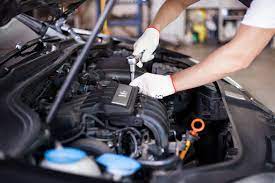
With materials in hand, repair technicians will carefully execute the repair plan. This work often begins with structural checks and alignment as foundational fixes ensure overall safety. Following structural repairs, technicians address external damages such as dents, scratches, or parts replacements.
Paint jobs follow repair work to ensure the vehicle’s appearance matches pre-collision conditions. Advanced facilities use techniques like color matching technology to create seamless finishes. Finally, internal systems like brakes, air conditioning, or sensors will be calibrated and tested for functionality during post-collision repairs.
The essential part of this step? Quality assurance throughout the process to guarantee your car passes all safety standards before it’s returned to you.
The Final Inspection
Before handing the vehicle, a thorough inspection is conducted. At this stage, repair technologists evaluate whether all fixes meet industry safety standards and match the repair plan agreements. Expect your repair shop to invite you for a final review where you can inspect the work done.
Most reputable shops will offer warranty agreements at this stage. A good warranty can extend anywhere from a few months to years; ensure that you discuss the coverage to protect your investment.
Staying Updated
Keep in mind that communication is key throughout the repair process. Most modern repair shops use tech-enabled systems, sending updates directly to your phone or email. Don’t hesitate to ask for progress updates if needed! This transparency ensures peace of mind while your car is being repaired.
Having realistic expectations after a vehicle collision repair assessment can make the entire process much smoother. Whether it’s understanding timelines, getting updates, or inspecting the final outcome, each step ensures your vehicle is restored safely and properly.