
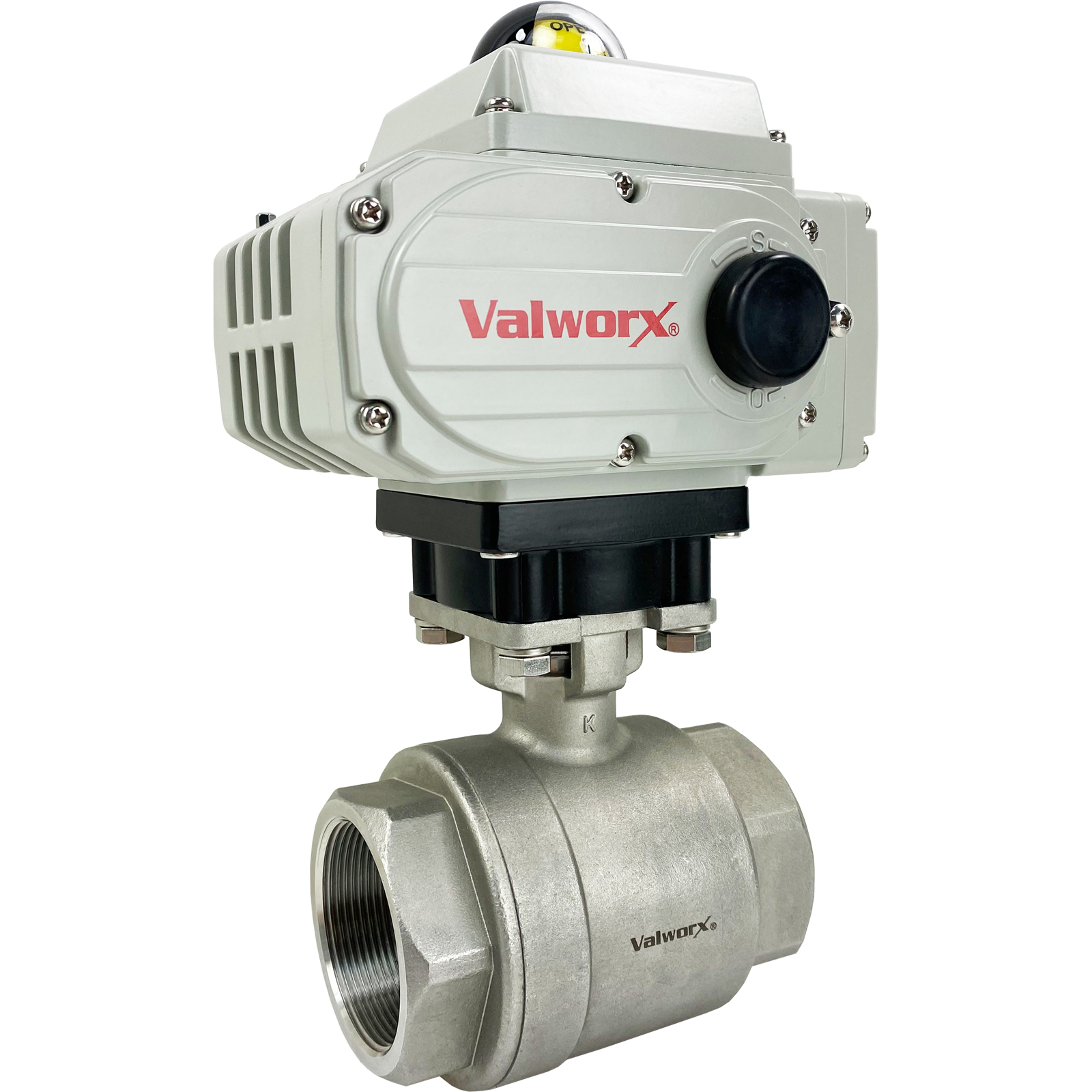
When it comes to industrial and domestic applications, reliability and durability are key factors in choosing components for fluid control systems. Stainless steel ball valves hold a unique position as a preferred choice for industries ranging from plumbing and manufacturing to oil and gas. But what exactly makes these valves a standout option? This article explores why Stainless Steel ball valves are recognized for their longevity and dependability.
The Role of Ball Valves in Fluid Control Systems
Ball valves are essential components in fluid control systems. Their straightforward yet highly functional design allows for easy regulation of flow, making them a go-to solution for systems requiring consistent performance. Unlike gate valves or butterfly valves, ball valves provide a tight seal with minimal pressure loss, ensuring efficient operation. However, the choice of material plays a critical role in their performance, and stainless steel has become the material of choice due to its unmatched properties.
Key Advantages of Stainless Steel Ball Valves
1. Exceptional Durability
Stainless steel is known for its strength and long-lasting performance. Ball valves made from this material can endure high-pressure and high-temperature conditions, making them ideal for demanding applications in industries such as chemical processing, marine environments, and power generation.
For example, stainless steel ball valves can generally withstand temperatures up to 800°F and pressures as high as 1,000 PSI, depending on the grade and design. Such robust performance can significantly reduce the risk of valve failure, ensuring the safety and efficiency of the system they serve.
2. Corrosion Resistance
One of the most critical factors affecting the longevity of ball valves is their resistance to corrosion. Stainless steel naturally resists rust, oxidation, and other forms of corrosion due to its chromium content, typically between 10.5% and 11%. This makes stainless steel ball valves particularly suitable for environments exposed to moisture, chemicals, and saline water.
For instance, marine and offshore industries often rely on these valves to handle seawater applications, where other materials would corrode rapidly.
3. Low Maintenance Requirements
Low maintenance is another significant benefit of stainless steel ball valves. Thanks to their corrosion resistance and durability, these valves require minimal upkeep, even in harsh environments. This can lead to significant cost savings over time, as fewer repairs and replacements are needed.
4. Versatility
Stainless steel ball valves are compatible with a wide range of fluids and gases. Whether dealing with water, oil, steam, or gas, their high resistance to temperature fluctuations and chemical reactions ensures their effectiveness across various applications.
5. Eco-Friendly and Sustainable
Sustainability is a growing concern across industries, and stainless steel aligns with these objectives. It is 100% recyclable, making it an eco-friendly choice for buyers looking to reduce their environmental impact while maximizing efficiency.
Applications That Rely on Stainless Steel Ball Valves
Thanks to their durability and versatility, stainless steel ball valves find applications in many industries, including:
- Oil and Gas: Handles the transfer of crude oil and natural gas at high pressure and varying temperatures.
- Food and Beverage: Ensures sanitary conditions while processing fluids like milk or beer.
- Chemical Processing: Safely regulates the flow of reactive chemicals.
A Premium Choice for Longevity
When considering long-term reliability, stainless steel ball valves prove to be an outstanding choice. With superior corrosion resistance, exceptional durability, and adaptability across industries, they represent a solid investment for systems that demand consistency and durability. By incorporating stainless steel ball valves into your fluid control systems, you’re not just buying a component but ensuring peace of mind knowing your operations are secure and efficient.