Finding the perfect heating system for your home or business can be a challenge, but opting for an energy-efficient electric boiler can make all the difference. With their growing modern appeal and environmentally-friendly design, electric boilers are becoming a popular choice for reliable heating. They offer not only comfort and efficiency but also pave the way for reduced environmental impact and long-term savings.
This blog explores why energy-efficient Buy electric boiler (Elektrische boiler kopen) are trending and outlines their key benefits. Whether you’re replacing an old system or building a new property, learn how choosing an energy-efficient electric boiler can revolutionize the way you heat your space.
Energy-Efficient Electric Boilers Explained
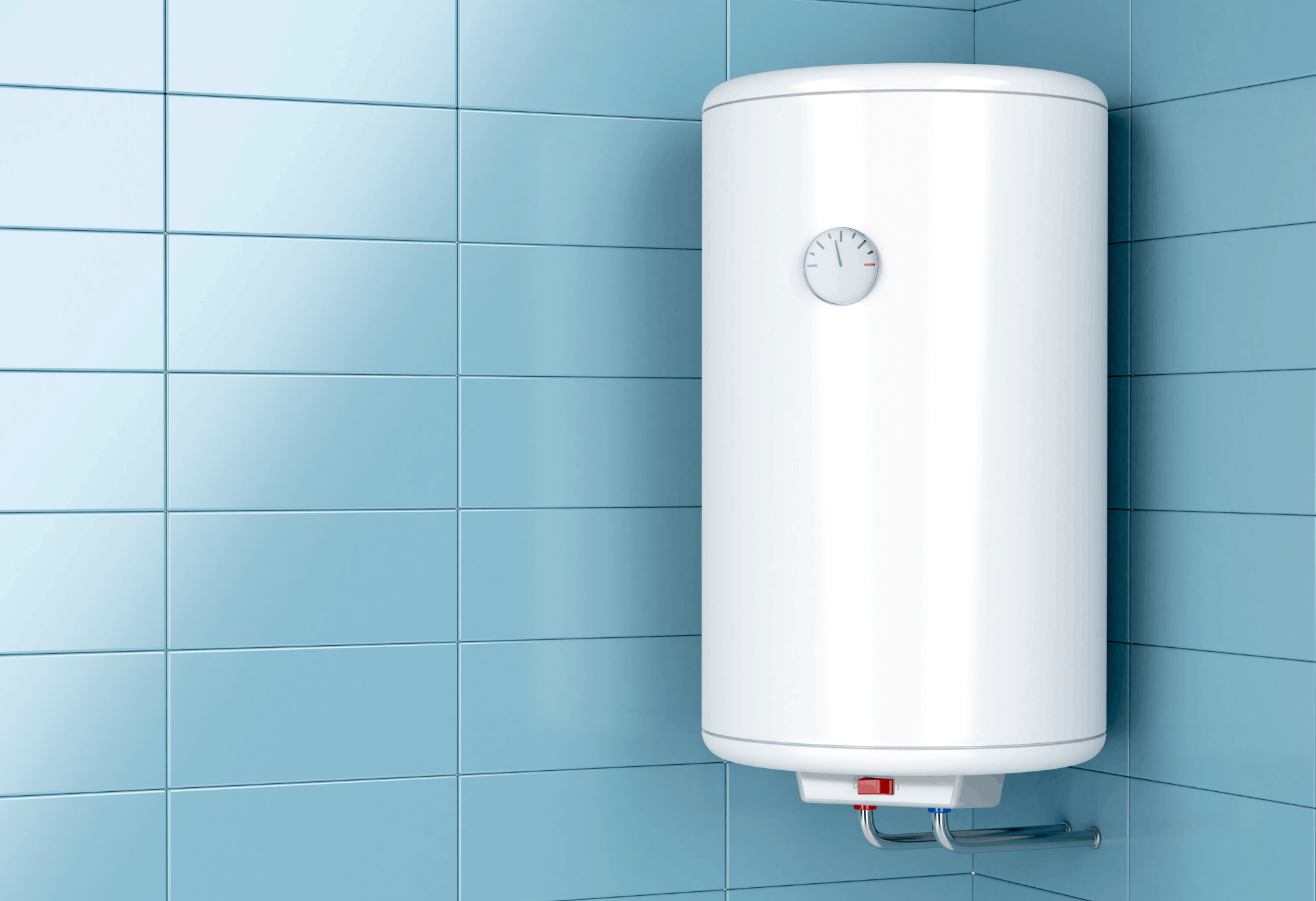
Electric boilers work by converting electricity into heat to warm your home or water. They operate without combusting fuel, making them environmentally cleaner and quieter compared to traditional gas or oil boilers.
Energy-efficient electric boilers are designed to minimize energy waste, ensuring that you’re using electricity effectively. They come in varying designs and setups, making them suitable for a range of needs, whether it’s heating a small apartment or a larger residential or commercial property.
What sets them apart is their ability to heat water and send it through radiators or underfloor heating systems with precision and minimal emissions, guaranteeing reliable results for the user.
Key Benefits of Choosing an Energy-Efficient Electric Boiler
Switching to an energy-efficient electric boiler comes with numerous advantages. Here’s why this technology is becoming a preferred heating solution in modern spaces.
Enhanced Energy Efficiency
One of the primary reasons electric boilers are gaining popularity is their exceptional energy efficiency. Traditional heating systems often lose energy through heat escaping from flue gases, but electric boilers achieve near 100% efficiency. This means almost all the electricity they consume is directly converted into usable heat, offering better value for the energy input.
Reduced Carbon Footprint
Electric boilers are paving the way for a greener future. They have significantly lower carbon emissions compared to gas or oil boilers, as they don’t burn fossil fuels. When powered by renewable electricity sources like wind or solar energy, they become even more sustainable. Choosing an electric boiler allows you to reduce your carbon footprint with minimal effort.
Compact and Space-Friendly Design
Electric boilers are renowned for their compact and sleek designs. Unlike bulky gas boilers that require additional space for flues or ventilation, electric boilers can be easily installed in a variety of locations, including kitchens, utility rooms, and even cupboards. Their space-saving installation makes them an ideal solution for modern living and urban apartments.
Quiet Operation
Traditional gas boilers are often plagued by the noise of burning fuel or water flow. Electric boilers operate in near silence, ensuring a quieter home or business environment. This is a particularly desirable feature for those living in apartments or spaces where noise needs to be kept to a minimum.
Low Maintenance Requirements
Another standout benefit of energy-efficient electric boilers is their low maintenance. Gas and oil boilers require regular servicing to check for leaks or ensure proper fuel burning. Electric boilers, on the other hand, don’t rely on combustible fuels, meaning fewer parts that can fail or require servicing. This translates to reduced maintenance costs and hassle over time.
Improved Safety Standards
Heating systems powered by combustible fuels come with inherent risks, such as gas leaks or carbon monoxide poisoning. Electric boilers eliminate these risks entirely, as they don’t use combustible materials. This makes them an inherently safer choice for families and businesses.