Plastic pollution has become one of the most critical environmental issues of our time, with low-density polyethylene (LDPE) being a significant contributor. LDPE, characterized by its lightweight and flexible properties, is widely used in packaging, but its recycling presents unique challenges. However, a revolutionary solution has emerged in the form of the ldpe washing line, offering a transformative approach to tackling plastic waste.
The LDPE Recycling Dilemma
LDPE is a versatile plastic commonly found in everyday items like plastic bags, shrink wrap, and agricultural films. Its widespread use has led to a staggering amount of plastic waste, exacerbating environmental degradation. Despite its recyclability, LDPE poses challenges in traditional recycling processes due to contamination and degradation during use. This has hindered effective recycling efforts, leading to the accumulation of LDPE in landfills and oceans.
Introducing the LDPE Washing Line
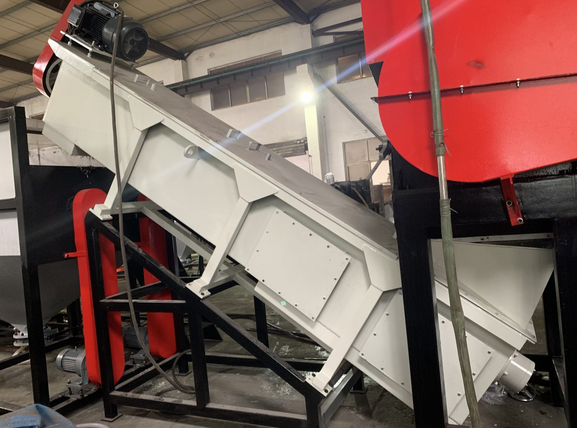
The LDPE washing line represents a breakthrough in recycling technology tailored specifically to address the challenges of processing LDPE materials. This innovative system employs a combination of mechanical and chemical processes to clean, decontaminate, and repurpose used LDPE into high-quality recycled material. At its core, the LDPE washing line aims to maximize resource recovery while minimizing environmental impact.
Key Components and Processes:
- Sorting and Shredding: The recycling process begins with sorting to remove contaminants and non-LDPE materials from incoming LDPE waste. The sorted LDPE is then shredded into smaller pieces, enhancing surface area and facilitating subsequent processing.
- Washing and Decontamination: The shredded LDPE undergoes thorough washing in multiple stages. Water, detergents, and mechanical agitation work together to remove contaminants and impurities, ensuring the purity of the recycled material.
- Separation and Drying: Cleaned LDPE flakes are separated from water and residual impurities using various separation techniques. The separated flakes are then dried to eliminate moisture, preparing them for further processing.
- Pelletization: The dried LDPE flakes are extruded and pelletized into uniform pellets. These recycled LDPE pellets serve as valuable raw material for manufacturing a wide range of products, including new packaging materials and construction products.
Environmental and Economic Benefits
The LDPE washing line offers a range of environmental and economic benefits:
- Waste Reduction: By enabling efficient LDPE recycling, the washing line helps divert significant quantities of plastic waste from landfills and oceans, reducing environmental pollution.
- Resource Conservation: Recycling LDPE conserves valuable resources by minimizing the need for virgin plastic production. This reduces energy consumption and greenhouse gas emissions associated with plastic manufacturing.
- Economic Opportunities: The establishment of LDPE washing lines creates jobs in the recycling industry and stimulates demand for recycled materials. Companies utilizing recycled LDPE benefit from cost savings and improved sustainability credentials.
Conclusion: A Sustainable Future
In conclusion, the LDPE washing line represents a significant advancement in the quest for sustainable waste management solutions. By harnessing innovative technology, this recycling system offers a promising avenue for transforming LDPE waste into valuable resources. As awareness of environmental issues grows, investment in LDPE washing lines becomes increasingly crucial for building a more sustainable future where plastic waste is minimized, and resources are conserved for generations to come.